Human-Centered Consulting for AI Adoption & Organizational Transformation
AI should serve the people, not the other way around
Leveraging expertise and certifications in AI governance, ethical AI, organizational development, and executive coaching, we work with leaders and teams to define what AI can realistically do in their specific context, identify adoption risks early (from data and governance to ethics and operational readiness), and design practical mitigation strategies.
We also develop overarching organizational strategies and guide change management so stakeholders are heard, impacts are understood, and new ways of working are successfully adopted long-term. The result is a clear roadmap, stronger alignment, and programs, such as AI-enabled ones, that deliver consistent value responsibly and reliably.
Services

HUMAN-CENTERED AI GOVERNANCE & ADOPTION SUPPORT
Helping organizations adopt AI responsibly through governance, safety, and human-centered practices that ensure AI adoption is safe, sustainable, and successful for your organization. For leaders wondering how to get started with AI. For leaders concerned with human-centered AI harms and risks (privacy, security, cognitive decline)
Learn More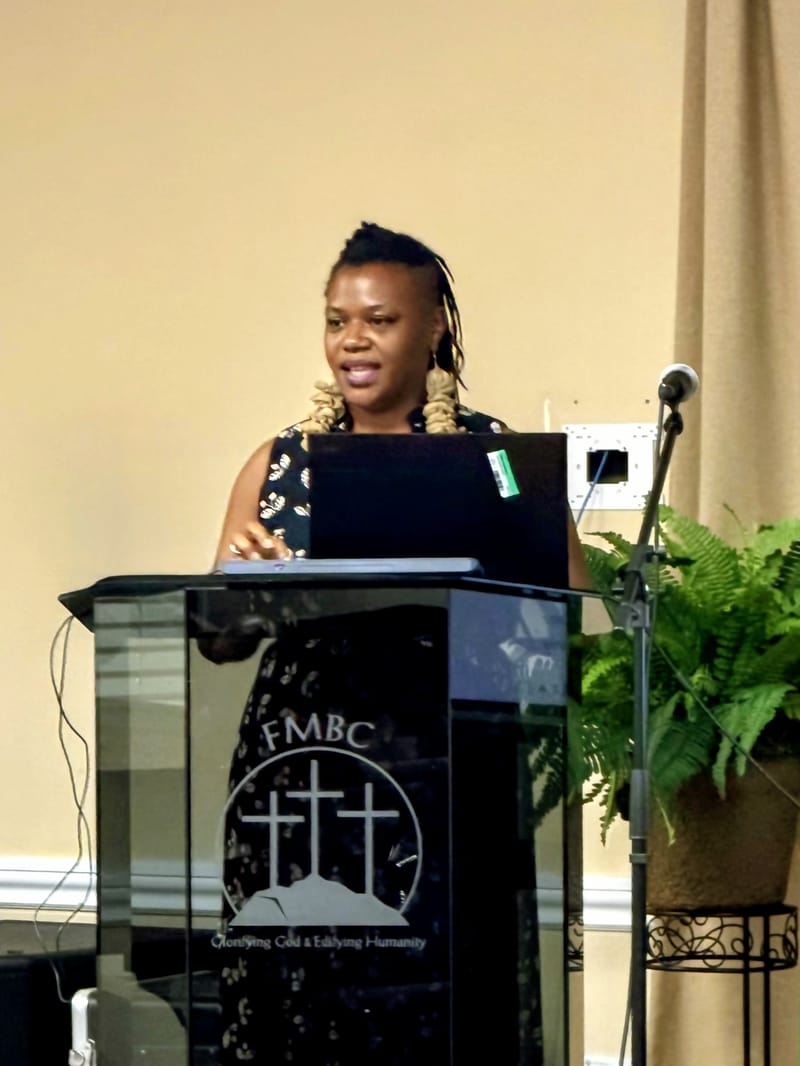
HUMAN-CENTERED AI WORKSHOPS, TRAINING, & SPEAKING ENGAGEMENTS
Ensures human-centered AI learning occurs through customized workshops vs generic AI templates and platforms. Teams will leave more capable and ready through AI literacy training, customized workshops, and post workshop action guides
Learn More
ORGANIZATIONAL DEVELOPMENT, STRATEGIC PLANNING, CHANGE MANAGEMENT
Adds organizational clarity, direction, & alignment for future growth, leadership transitions, restructuring, new technology/procesess, or funding shifts. These packages focus on the organization, it's people, processes, and the tools.
Learn MoreContact
- Huntsville, AL, United States
- +undefined-(256) 469-0364
- Tawana@TawanaTownsendConsulting.com
- Mon-Thur 08:30-6:00
Events
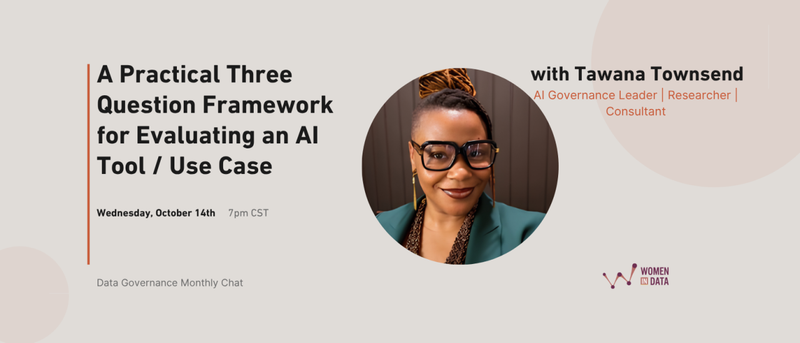
Provide information on building an AI governance strategy for organizations using a human-centered approach. The workshop will address safety, risk, security, privacy, as well as change management, training, data management, processes and workflows, and organizational culture and business outcomes.
1 hour session to the WEDC Foundation scholars. Provided an intro to AI along with information and a facilitated discussion on AI Safety and AI Ethics
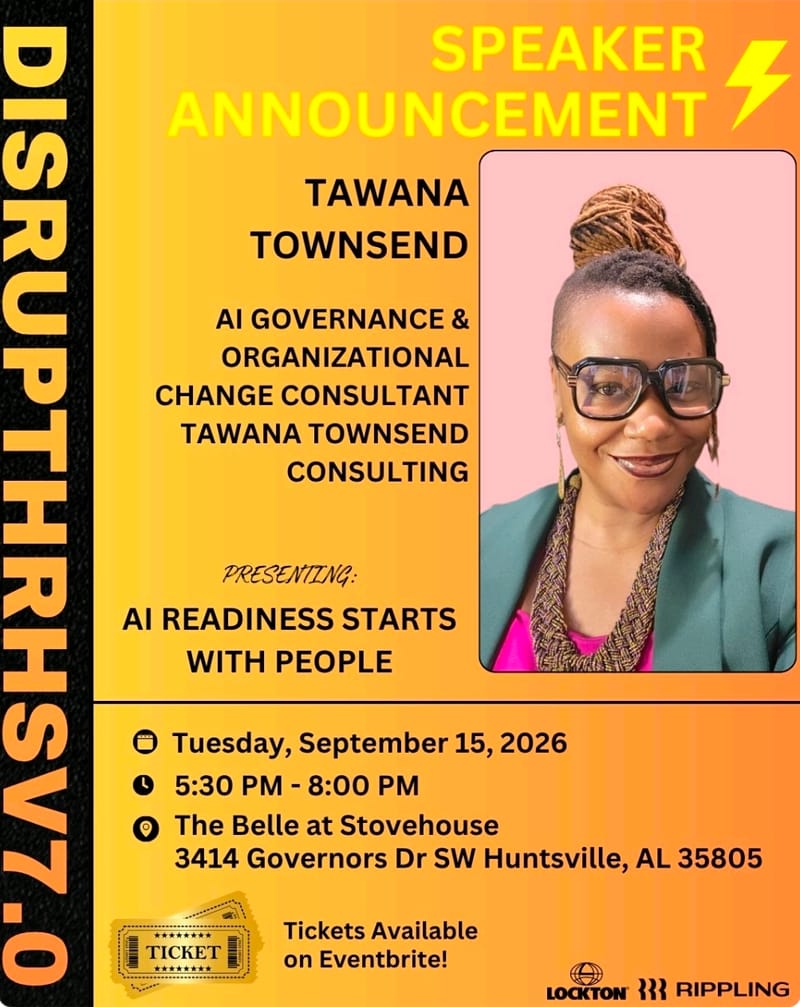
If AI keeps surfacing at your organization, you'll want to come out to this event. I'll discuss "The Human Layer" of AI Readiness because successful, sustainable AI requires more than just tools built with advanced technology. It'll be fun and informative. This is open to HR professionals, organizational leaders, and anyone curious about deploying AI at work. Event details can be found on Eventbrite or at the link below
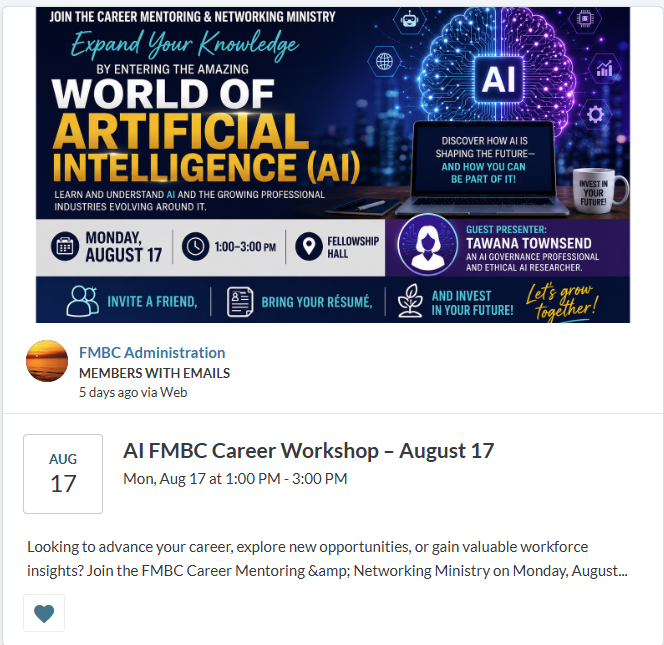
Join the Career Mentoring & Networking Ministry as I speak on the amazing world of AI. Learn and understand AI and the growing professional industries evolving around it.
Join the Women In Data™ 🚀 Huntsville Chapter as we explore how to navigate the changing hashtag#tech landscape with confidence and clear standards. See you online! 💻 📅 When: Tuesday 24 February 2026 🕖 Time: 7:00 PM – 8:00 PM CT
Research & Resources
The Human Layer: Recipe Card
Organizations are adopting and deploying AI in hopes of gaining efficiencies and a competitive advantage. However, the human layer is often overlooked. Here's a quick look at how to address "the human layer" or "the secret sauce" for a successful, sustainable AI adoption that serves the people and not the other way around.
AI Governance Starter Kit 2026-2027
Essential resources curated for professionals navigating AI adoption in the workplace AI governance is a fast-moving field. These 10 resources ground the AI hype and noise with foundational frameworks, practical guides, and research that will help you understand your rights, evaluate AI tools critically, and advocate for human-centered practices in your organization.
10 Questions to Ask AI Vendors
Questions to ask an AI vendor before signing on the dotted line
Readiness Accelerator
Solutions for Common Organizational Problems
Zapier AI Governance Assessment
Full AI governance assessment of Zapier; this can be done for any AI vendor or AI solution, catered to an organization's needs, values, culture, and current and future capabilities.
US National Policy Framework for AI Legislation
Look inside the US stance on AI legislation
AI Policies, Practices, and Perspectives
ethical AI in the workplace research and valuable human-centered AI insights
Insights on AI in the Workplace

Stop Blaming AI for Problems That Were Already There
AI didn't create these problems, sheep have always existed. This may be controversial, but regulating AI without examining root causes doesn't fix anything If we spend all of our energy trying to regulate and restrict AI without examining the human values, institutional structures, and systemic inequities baked into the data it learns from, we’re only slowing down the symptom versus addressing the deeper problem.

Do It for the Algorithm!?!
What Will The Algorithm Reward? This is often the first question that pops in my head when I sit down to write for my blog or my next Linkedin post. Authenticity takes time and we’re all trying to figure out how to protect it.

COLORING OUTSIDE THE LINES - AI Didn't Kill Individuality, We’ve Been Doing That All On Our Own.
Coloring Outside the Lines🎨 The students who thrived in school were usually the ones who learned how to perform to the standard, color inside the lines, and learn in a way that aligned to the state curriculum. Organizations are no different. If we want AI that actually makes room for human variation, neurodivergence, cultural difference, and the full spectrum of human expression, we must: revisit what we've elevated as 'ideal' in our organizations

Ethical AI Is Harder Than It Looks
There’s A Great Deal Of Movement, Protest, Pushback, and Deep Research As It Relates To AI. 🗣️ The government is slow at every level. Innovation outpaces oversight. So what can we actually control? I'm also actively looking for research participants for my fellowship project on AI and human agency in the workplace. DM me if you're interested.

BUY NOW - PAY LATER! Before AI Can Solve Anything, Your Organization Has to Know What It's Actually Solving For
Organizations Are Buying AI Tools Without Clearly Understanding What Problem They Are Actually Solving? AI governance grounded in organizational development principles asks: • What is our vision and does AI serve it? • What do our people need to do their best work? • Who is most affected by this tool, and are their voices heard? Durable AI strategies start with people and purpose, not tech platforms.

ATTENTION LEADERS!!! They don’t need another training module or pep talk
Real democratization requires a human being who meets people where they are, no algorithm required.
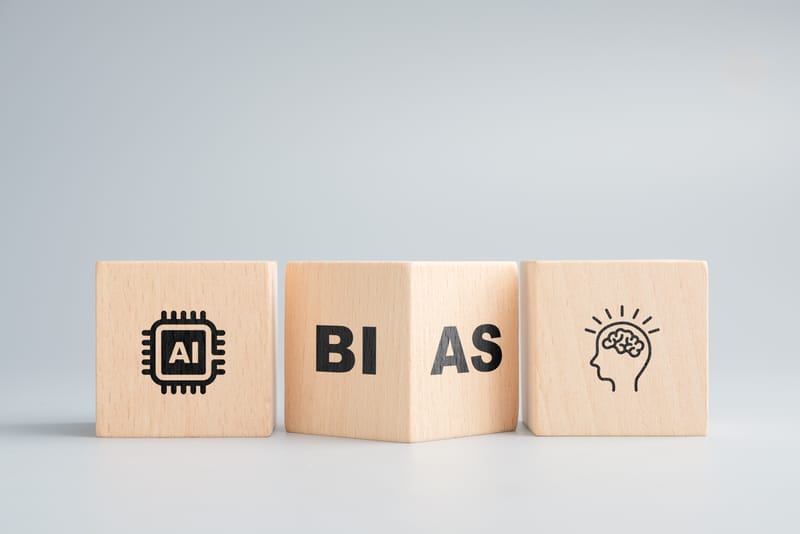
Algorithmic Bias Harms the People You Claim to Serve
AI is built on data, data we’ve built over decades, data we’ve freely given, data with inherent bias. For nonprofits and local governments using AI tools the risk is real and underexamined. If your nonprofit uses an AI screening tool to sort grant applications, volunteer inquiries, or job candidates, have you delved into the system design and its training data? AI bias overlaps across system design and development (tech) AND AI governance, values and culture (organization)

Community Engagement & Stakeholder Alignment Facilitation
Ensuring AI initiatives serve communities, nonprofits, government entities - not just corporate goals.

Guardrails and Innovation are Polarities to Leverage, Not Either/Or
AI governance frameworks like ISO 42001 and the NIST AI Risk Management Framework are positioned here as scaffolding for better, more consistent decision-making-not bureaucracy that kills momentum. The article challenges leaders to balance AI hype with legitimate risk, choose an adoption pace aligned to organizational values and readiness, and build guardrails that enable teams to experiment safely. It concludes with a call to action for organizations seeking tailored, capacity-appropriate AI guardrails that support long-term adoption rather than short-lived pilots.

Building a Security Culture Has Never Mattered More
Building a Security Culture Has Never Mattered More outlines the shift from traditional, easily spotted phishing to sophisticated AI-driven attacks that exploit urgency, authority, and trust. It argues that security is not solely an IT function, but a leadership and change management challenge requiring clear guardrails, repeatable practices, and reinforcement over time. The post connects cybersecurity readiness to sustainable AI adoption, urging organizations to build awareness, policies, and norms that help employees act confidently when something doesn’t feel legitimate.

AI Workshops & Training Programs
Building organizational AI literacy and governance capacity
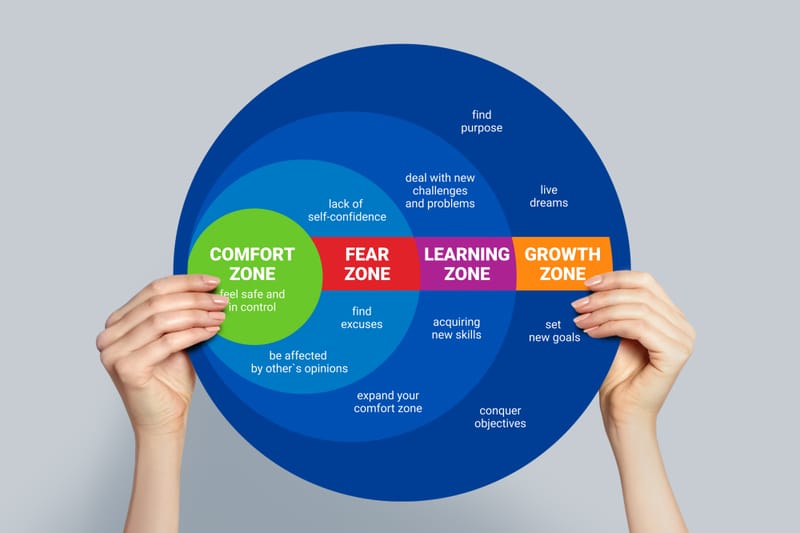


Psychological Safety Is Your Most Underrated AI Governance Tool
Psychological safety is often the missing governance layer in AI adoption. This post explains how fear-driven cultures lead to quiet noncompliance, undocumented workarounds, and stalled implementations-even when organizations invest in strong tools and AI literacy training. It outlines what psychological safety looks like in practice: employees feeling empowered to question AI outputs, raise value-alignment concerns, admit uncertainty, and participate in AI decisions. The summary connects these behaviors to stronger oversight, earlier risk detection, and more sustainable adoption aligned to the NIST AI RMF GOVERN function.